
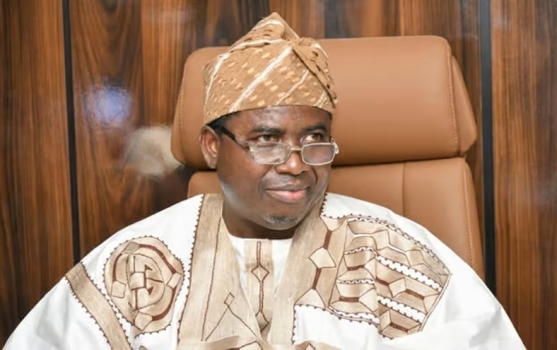
June 14, (THEWILL) — Controversy seems to dog the current leadership of the Independent National Electoral Commission, INEC, like a second name. Since he was appointed National Chairman of the Commission, Professor Joash Amupitan has had more than his fair share of controversy, particularly the sort that drives Nigerian politics.
This is to be expected, considering that the Commission, through commission and omission, has progressively declined institutionally in the estimation of politically discerning Nigerians: the less-than-transparent elections it had conducted in the present democratic dispensation, the understandable incapacity by its leadership to assert even a flash of independence in the face of clear, overbearing executive and legislative pressures, and the sometimes readiness to defend the obvious. With time, the average Nigerian has come to, arguably, distrust the Commission and what it stands for.
Under this cloud of doubt and distrust, rebranding INEC can only be the way out for the Commission.

So, when Prof Amupitan assumed office, it was a matter of time before public mistrust started washing over. At a point, his politics came under criticism after netizens unveiled what they described as his political preference for President Bola Tinubu over other candidates in a seemingly revelatory X post on the outcome of the 2023 poll. Soon, it was the turn of some Muslim clerics and groups. They threatened to protest at the National Assembly over a perceived “Christian agenda” of Amupitan, following reports that he authored a document that advocates used in influencing President Donald Trump’s Country of Peculiar Concern views on Nigeria.
Currently, the controversy surrounding how Olayinka Lere, aide to Minister of the Federal Capital Territory, Nyesom Wike, got Emeke Ike’s voter card has further diminished the Commission in the public eye. Doubtless, the Commission’s disclosure that investigation by the Commission and the police has revealed that the screenshots were shared with Mr Olayinka by an electoral officer in the Abuja Municipal Area Council, AMAC, has blunted the notion of official connivance. The electoral officer (EO, who was found to have shared Ike’s data with Olayinka “misused authorised access to its systems,” which does not mean “an external breach of the system.” The fact that he is said to have never met Olayinka physically has shown how compromised some officials of the Commission are. This disclosure has further tarnished the Commission’s dwindling public image.
And amid the current frenzied politics ahead of the 2027 election, more of such cases indicating professional laxity, institutional blindness and deliberate compromise within and outside the Commission will occur.
Even so, we wish to note that it is not so much how the leadership of the commission feels about the prevailing public perception of their capacity to deliver on their mandate on free and fair polls, as their readiness to combat every challenge that they encounter on the way.

